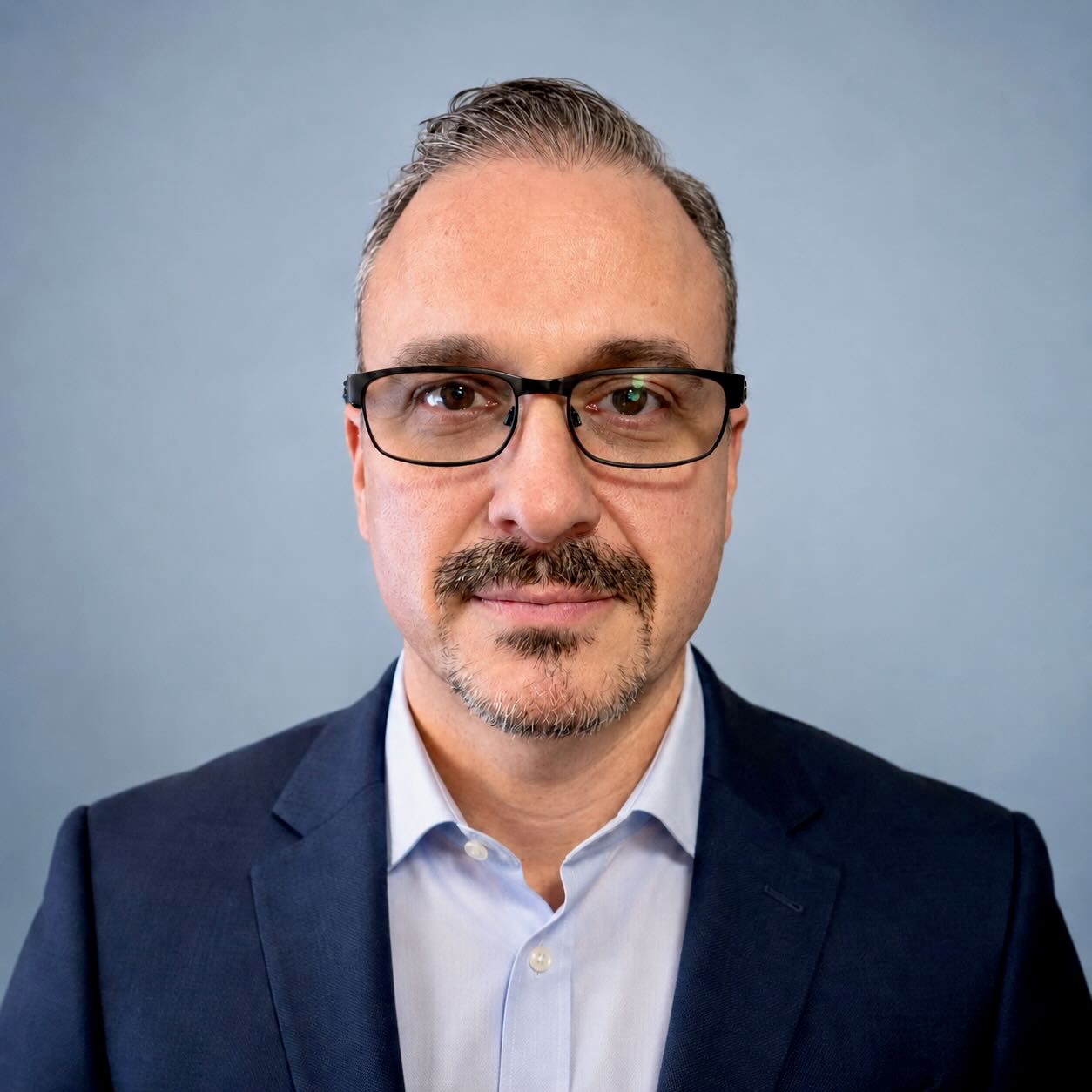
I'm Shawn Duggan.

I've spent 30 years in software, from writing code to leading engineering as a CTO. Most recently, as CTO of a SaaS company, I led engineering through its move to AI-assisted development: new workflows, new standards, and new ways of organizing teams.

Shawn Duggan

Delivery first. Then AI.

What I do best is fix delivery: helping teams ship faster, more predictably, and with higher quality. AI is one way to get there, but it only gives you more of what you already have. The tools are the easy part. The hard part is the foundation underneath them, the standards that keep quality up, and helping people through a change in what their job is.

I use these tools hands-on in my own work, so my advice comes from building with them, not just reading about them.

The problems I've worked on

Fixing delivery

Turning unpredictable delivery into a steady flow: automated CI/CD with multiple production deployments a day, flow metrics, and clear ownership from discovery to production. In one organization, throughput rose 30–40% while delivery became more predictable.

Scaling DevOps practice

Leading DevOps transformation work across an organization of more than 200 engineers, with an engineering excellence program built on lead time, recovery time, and change failure rate.

Moving a team to AI-assisted development

As CTO, leading engineering through a SaaS company's shift to AI-assisted development, including the people side of the change.

Working in regulated environments

Leading engineering for digital health platforms that handle patient data, and for SaaS delivered under SOC 2 and ISO 27001, including AI features with guardrails on model behaviour and data handling.

Growing a consulting practice

Leading a consulting practice end to end: business development, contract negotiation, pricing, technical direction, and delivery. I turned it around to a 40% gross margin and grew the team from 4 to 14.

My experience spans product software, digital health, and professional services. You can learn more about my background on LinkedIn.

How I work

I want to understand what's really happening before deciding what should change. That means looking at the evidence, listening to people with different views, and being explicit about assumptions.

I'll give you a clear recommendation and explain why I think it holds up. I'll also tell you where the evidence is thin and what would change my mind.

Your leaders keep ownership of the decisions. My job is to help them see the choices clearly and build a team that can keep going without me.

I'm based in Halifax, Nova Scotia, and work remotely with teams wherever they are.
Where is your team with AI?

A short note about your team and what you're trying to change is enough to start.